

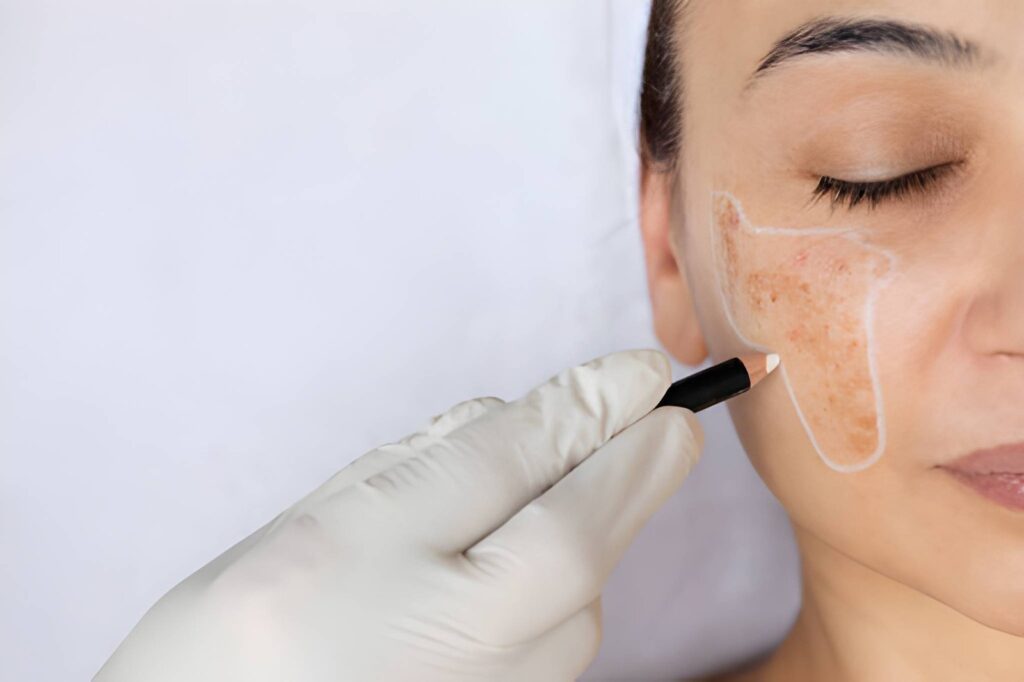
Skin pigmentation is one of the most common concerns people experience, especially in areas exposed to sunlight. Uneven skin tone, dark patches, brown spots, and post-acne marks can affect the face, neck, hands, and other parts of the body. Pigmentation usually isn’t harmful, but it can make the skin look uneven and affect confidence.
At Rakshaa Aesthetics, identifying the underlying trigger is the first step toward effective treatment. Here’s a look at why skin pigmentation occurs and how to prevent it.
What Is Skin Pigmentation?
Skin pigmentation refers to the colour of your skin, determined mainly by melanin a natural pigment produced by cells called melanocytes that helps protect the skin from UV radiation.
When the body produces more melanin in certain areas, the skin darkens a condition known as hyperpigmentation. It can appear as freckles, sunspots, melasma, post-inflammatory pigmentation, or dark patches, and tends to be more noticeable in Indian and other medium-to-deep skin tones.
Common Causes of Skin Pigmentation
1) Sun Exposure
UV rays stimulate melanin production as a protective response. Repeated or prolonged sun exposure leads to tanning, sunspots, and uneven skin tone, which is why daily sun protection matters.
2) Hormonal Changes
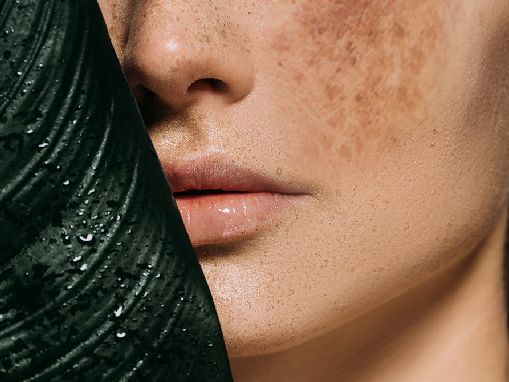
Melasma is often linked to hormonal fluctuations and typically shows up as brown or greyish patches on the cheeks, forehead, nose, or upper lip. Pregnancy, certain medications, and other hormonal shifts can contribute persistent cases are worth a professional evaluation.
3) Acne and Skin Inflammation
Pimples, cuts, burns, and insect bites can leave dark spots behind post-inflammatory hyperpigmentation (PIH). Darker skin tones tend to be more prone to this. Treating the underlying irritation while protecting the skin from sun exposure reduces the risk of lasting marks.
4) Ageing
Cumulative sun exposure over the years contributes to age spots or sunspots flat brown spots commonly seen on the face, hands, shoulders, and arms. A consistent skincare routine and sun protection help limit further pigmentation.
5) Medications and Medical Conditions
Some medications increase sun sensitivity or affect pigmentation directly, and certain medical conditions can too. Pigmentation that appears suddenly, spreads rapidly, or looks unusual should be checked by a dermatologist rather than self-treated.
6) Skin Irritation and Improper Skincare
Harsh scrubs, over-exfoliation, and unsuitable products can damage the skin barrier and trigger inflammation, sometimes resulting in darker patches. Gentle products matter most for pigmentation-prone skin.
Types of Skin Pigmentation
- Melasma – symmetrical brown or greyish patches, mostly on the face
- Post-inflammatory hyperpigmentation – dark marks left after acne, injury, or inflammation
- Sunspots – localised brown spots from cumulative UV exposure
- Freckles – small pigmented spots that darken with sun exposure
Since these can look similar, a dermatologist should assess the skin before choosing a treatment.
Preventing Skin Pigmentation
Complete prevention isn’t always possible, especially when hormones or genetics are involved, but a few habits reduce the triggers:
- Use sunscreen daily: Apply broad-spectrum SPF to exposed skin and reapply during extended time outdoors, especially after sweating or swimming.
- Limit sun exposure: Hats, sunglasses, and protective clothing add extra protection.
- Keep skincare gentle: Avoid aggressive scrubbing and over-exfoliation; introduce active ingredients gradually.
- Don’t pick at pimples: Picking or squeezing increases inflammation and the odds of lasting marks — treat acne early instead.
- Skip harsh DIY remedies: Lemon juice, baking soda, and undiluted acids can irritate skin and worsen pigmentation. Professional guidance is safer for persistent cases.
Treatment Options
Treatment depends on the type, depth, cause, and severity of pigmentation. A dermatologist may recommend topical skincare, chemical peels, laser-based treatments, or a combination.
At Rakshaa Aesthetics, pigmentation is evaluated individually before recommending a plan typically aimed at reducing excess pigmentation, improving skin texture, controlling inflammation, and preventing recurrence. Pigmentation often takes patience to treat: results vary from person to person, and ongoing sun protection plays a big role in maintaining them.
When Should You See a Dermatologist?
Consider a consultation if pigmentation is persistent, keeps returning, is spreading, or isn’t improving with basic skincare. A dermatologist can determine whether it’s related to sun exposure, hormones, acne, inflammation, medication, or something else and evaluation matters especially for any new or changing spot with unusual features like rapid growth, irregular borders, multiple colours, or bleeding.
Pigmentation can stem from many causes sun exposure, hormones, acne, ageing, medications, or irritation and understanding the underlying trigger is key to treating it effectively. Combining the right skincare with daily sun protection and professional advice when needed can improve uneven skin tone and dark spots over time.
If you’re looking for skin pigmentation treatment in Pitampura, Delhi, consult the experts at Rakshaa Aesthetics for a personalised skin assessment and treatment plan.