

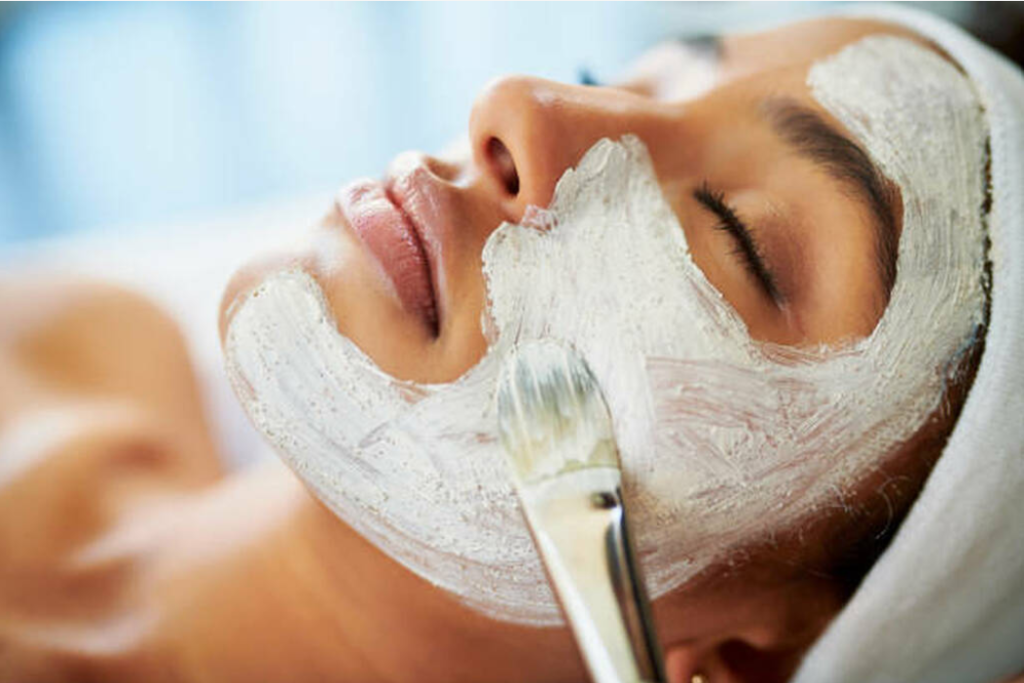
Chemical peels are among the most effective dermatology treatments for glowing, even-toned, and rejuvenated skin. They work by exfoliating the top layer of dead skin cells to reveal fresh, healthier skin underneath. But what truly determines the success of your peel isn’t just the procedure—it’s the aftercare.
If you’ve recently had a chemical peel or are planning one soon, proper post-treatment skincare is essential. At Rakshaa Aesthetics, home to some of the best dermatologists in Pitampura, patients receive detailed guidance to ensure a smooth, safe, and glow-boosting recovery.
Here’s your complete yet easy-to-follow guide on what to do and what to avoid after a chemical peel.
What to Expect After a Chemical Peel
Right after your peel, it’s normal to experience:
- Mild redness
- Tightness
- Dryness
- Flaking or peeling of the skin
- Light sensitivity
These effects can last 3–7 days, depending on the depth of the peel. The goal is to let the skin heal naturally without disturbance.
The DOs of Post-Chemical Peel Care
1) Keep Your Skin Hydrated
Your skin loses moisture after a peel, so hydration becomes the top priority.
Use:
- A gentle, non-comedogenic moisturizer
- Hydrating serums like hyaluronic acid
- Barrier repair creams
Hydration reduces flakiness, soothes irritation, and supports faster healing.
2) Use a Gentle Cleanser
Switch to a mild, fragrance-free cleanser for at least one week. Avoid gel-based and foaming cleansers that may dry out your skin.
Cleansing should be:
- Soft
- Quick
- Non-rubbing
This prevents micro-tears and irritation on the sensitive, peeling skin.
3) Apply Sunscreen Every Day
Sun protection is non-negotiable. After a peel, your new skin is extremely sensitive to UV damage.
Choose:
- SPF 30 or higher
- Broad-spectrum
- Mineral sunscreen (preferred for sensitive skin)
At Rakshaa Aesthetics, dermatologists recommend regular reapplication, especially if stepping outdoors.
4) Follow Your Dermatologist’s Instructions
Every skin type reacts differently to chemical peels.
The team at Rakshaa Aesthetics, known for being some of the best dermatologists in Pitampura, creates personalized post-peel care plans based on your peel strength, skin concerns, and sensitivity. Following this plan ensures the best results without complications.
5) Let Your Skin Peel Naturally
Peeling is a natural part of the process. Avoid picking, pulling, or scrubbing the flakes.
Allowing your skin to shed naturally prevents:
- Pigmentation
- Scarring
- Infection
Patience pays off—you’ll notice healthier, fresher skin emerging on its own.
6) Use a Cold Compress (If needed)
If redness or irritation feels uncomfortable, gently apply a cold compress for a few minutes. Avoid applying ice directly to your skin.
The DON’Ts After a Chemical Peel
A) Don’t Use Active Ingredients
For at least one week, avoid skincare products containing:
- Retinol/Retinoids
- AHA/BHA (glycolic, lactic, salicylic acid)
- Vitamin C
- Benzoyl Peroxide
- Skin-lightening creams
These ingredients can irritate the freshly treated skin and delay healing.
B) Don’t Exfoliate
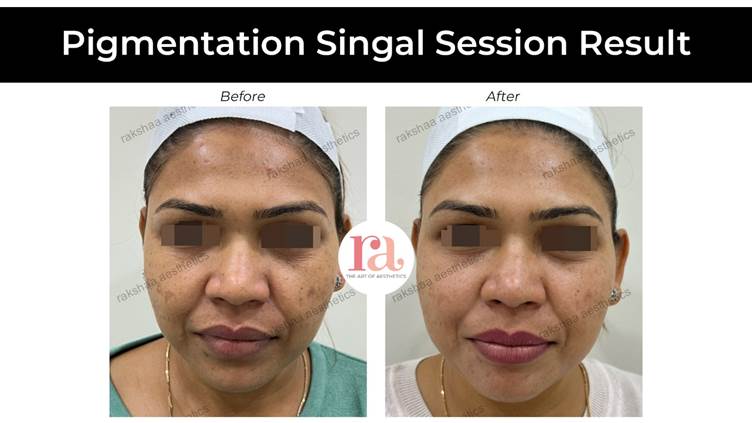
No physical scrubs, loofahs, exfoliating brushes, or chemical exfoliants. Your skin is already shedding, and any extra exfoliation can cause injury and post-inflammatory pigmentation.
C) Don’t Go Out in Direct Sunlight
Sun exposure is one of the biggest causes of pigmentation after a peel.
Avoid:
- Midday sun (11 AM–4 PM)
- Outdoor workouts
- Sunbathing
If going outside is unavoidable, wear a hat and reapply sunscreen.
D) Don’t Apply Makeup Immediately
Wait at least 24–48 hours, or until your dermatologist approves.
Makeup can clog pores, irritate sensitive skin, and slow down the healing process.
E) Don’t Pick or Touch Your Face
Touching your face transfers bacteria, leading to breakouts or infection.
Picking peeled skin can cause long-term pigmentation—a concern especially common among Indian skin tones.
F) Don’t Use Hot Water or Steam
Avoid:
- Hot showers
- Steam rooms
- Saunas
- Facial steams
Heat increases redness and irritation and may worsen sensitivity.
Recovery Timeline: What Happens Day-by-Day
Day 1–2
Skin feels tight, slightly red, and sensitive. Use only basic skincare.
Day 3–5
Peeling starts. Skin may look dry and flaky. Keep moisturizing and avoid touching.
Day 6–7
Peeling slows down. Skin begins to look fresh and bright.
Day 8–14
Skin tone evens out, texture improves, and glow becomes noticeable.
Healing time varies based on the depth of the peel, but following the dos and don’ts ensures a smooth recovery.
Why Choose Rakshaa Aesthetics for Your Chemical Peel?
At Rakshaa Aesthetics in Pitampura, every peel is performed by experienced dermatologists who ensure:
- Proper skin analysis
- Customized peel selection
- Safe procedure
- Tailored aftercare
- Close follow-up for best results
If you’re looking for expert treatment with minimal downtime, Rakshaa Aesthetics remains a trusted choice and is often recommended when searching for the best dermatologist in Pitampura for safe and effective chemical peels.
FAQs About Post-Chemical Peel Care
Q1. How long does recovery take after a chemical peel?
Most people recover within 5–7 days, but deeper peels may take up to 14 days.
Q2. When can I start using my regular skincare again?
Usually after one week, but only after your dermatologist approves.
Q3. Is peeling supposed to happen after every chemical peel?
Mild peels may not cause visible peeling, but deeper peels typically do. Both are normal and effective.
Q4. Can I exercise after a chemical peel?
Avoid workouts for 48 hours to prevent sweating, irritation, and redness.
Q5. When will I see results?
You’ll see a visible glow within a week. Full results may take 2–3 weeks as collagen production improves.