


Skin ages. That’s just biology. But how fast it shows, and how it looks along the way, depends a lot on what you do every day. Fine lines, pigmentation, dryness, uneven tone and a loss of bounce all creep in over time, and sun, pollution, stress, a poor diet and late nights tend to speed things up.
The good part is that you have more control than you think. A steady routine, a few lifestyle changes and, when needed, the right dermatological treatment can make a real difference. At Rakshaa Aesthetics, we see this every day: healthy skin comes from prevention, good habits and a plan built around you, not around a trend.
Here’s what we recommend:
1. Don’t skip sunscreen
If you only do one thing for your skin, make it this. UVA and UVB rays break down collagen and elastin, which is what causes wrinkles, sunspots and uneven pigmentation.
Use a broad-spectrum SPF 30 or higher every morning, including cloudy days. If you’re outdoors, reapply every two hours, and sooner if you’ve been sweating or swimming. Don’t forget your neck, ears and hands. Sunglasses, a hat or a scarf help too, and it’s worth avoiding the harshest midday sun when you can.
2. Keep your routine simple and consistent
You don’t need a shelf full of products. You need the right few for your skin type, used regularly.
Morning: a gentle cleanser, a vitamin C serum for antioxidant protection and a more even tone, a moisturiser, and sunscreen.
Night: a cleanser to remove makeup, dirt and sunscreen, then retinol or another anti-ageing ingredient your dermatologist recommends, followed by a hydrating moisturiser to support your skin barrier.
Introduce active ingredients slowly, one at a time, so your skin can adjust without getting irritated. If you’re pregnant or breastfeeding, check with your doctor before using any retinoid.
3. Know what the main ingredients actually do
- Retinol encourages collagen production and can soften fine lines and improve texture.
- Vitamin C is an antioxidant that brightens dull skin.
- Hyaluronic acid holds onto moisture, so skin looks plumper.
- Niacinamide supports the skin barrier and helps even out tone.
- Peptides may help with firmness and the look of fine lines.
That said, what suits your friend may not suit you. A quick consultation can save you months of trial and error.
4. Eat well
Your skin reflects what you eat. Berries, oranges, leafy greens, tomatoes and nuts are all rich in antioxidants. Vitamin C supports normal collagen formation, vitamin E gives antioxidant support, omega-3 fats are good for skin health, protein helps with repair, and zinc supports normal skin function. Drink enough water through the day too. A good diet won’t replace skincare, but the two work well together.
5. Sleep and stress matter more than you’d think
Bad sleep and constant stress show up on your face as dullness, puffy eyes and a tired look. Your body does much of its repair work while you sleep, so most adults should aim for 7 to 9 hours.
A regular bedtime helps, and so does keeping screens away before bed. Yoga, meditation, exercise or anything else that helps you unwind is worth making time for. It sounds basic, but people notice the difference.
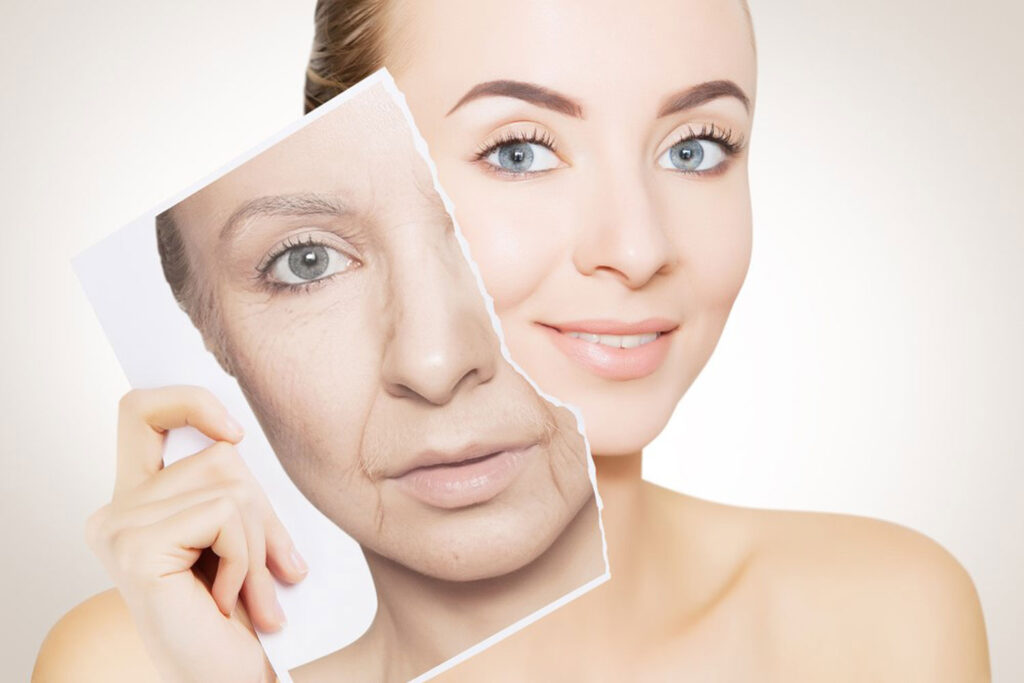
6. Consider professional treatments
Sometimes products can only do so much, especially with deeper wrinkles, pigmentation, lost firmness or volume loss. That’s where in-clinic treatments come in. Common options include:
- Botox temporarily relaxes certain facial muscles, softening expression lines like forehead lines and crow’s feet.
- Dermal fillers restore lost volume and soften some wrinkles.
- Hydrafacial is a non-invasive treatment that cleanses, exfoliates and hydrates, and it’s good for dull, rough-looking skin.
- Chemical peels exfoliate the outer layers of skin and can help with uneven tone, pigmentation and some fine lines.
- HIFU uses focused ultrasound to target deeper layers and may help with mild to moderate skin laxity.
- Laser rejuvenation can improve texture, pigmentation, fine lines and other signs of ageing.
Every treatment has its own benefits, limits and possible side effects, so a dermatologist should assess your skin before you decide on anything.
7. Look after your neck and hands
Most people stop at the face, but the neck and hands give away age just as quickly. They get plenty of sun and pollution, and over time they develop wrinkles, dark patches and a loss of firmness.
Take your moisturiser and sunscreen down to your neck and onto your hands. If pigmentation or sagging doesn’t improve, see a dermatologist about treatment options.
8. Cut back on habits that age your skin
Smoking, heavy drinking, too much sugar, poor sleep and unprotected sun exposure all take a toll. A few easy fixes:
- Stay away from smoking and tobacco.
- Keep alcohol to a minimum.
- Go easy on sugar.
- Skip harsh products.
- Never sleep with makeup on.
- Don’t keep switching products without knowing what’s in them.
None of these changes is dramatic, but over the years they add up.
Why see a dermatologist?
Everyone’s skin ages differently. Genetics, lifestyle, sun exposure and skin type all play a part, so a treatment that works beautifully for one person may do little for another. Seeing the best dermatologist in Delhi for your concerns gives you a plan that actually fits your skin.
At Rakshaa Aesthetics in Pitampura, Delhi, we offer personalised skin and aesthetic treatments. We start by understanding your skin and what you want to change, then recommend options that make sense for you. Whether it’s fine lines, wrinkles, pigmentation, dullness or sagging, a proper skin assessment is the best place to begin.
Frequently Asked Questions
1. When should I start anti-ageing skincare?
Your 20s is a good time to begin with the basics: sunscreen, moisturiser and a suitable antioxidant. Retinoids can be added later depending on your skin’s needs.
2. Which ingredient is best for wrinkles?
Retinol is the best known for fine lines and texture. The right choice still depends on your skin type and concerns.
3. Can drinking water stop skin ageing?
Staying hydrated supports normal skin function, but water alone won’t prevent wrinkles or reverse ageing.
4. Are professional treatments safe?
Most are generally safe when a qualified practitioner performs them after a proper assessment. Suitability and risks differ from person to person.
5. How can I keep my skin youthful naturally?
Wear sunscreen daily, stick to a simple routine, eat a balanced diet, sleep well, drink enough water and avoid smoking.
Book your skin consultation at Rakshaa Aesthetics
Youthful, healthy skin comes from steady care, good habits and the right guidance. Start with the simple changes above, and when you’re ready for more, we’re here to help. Book your consultation today.