

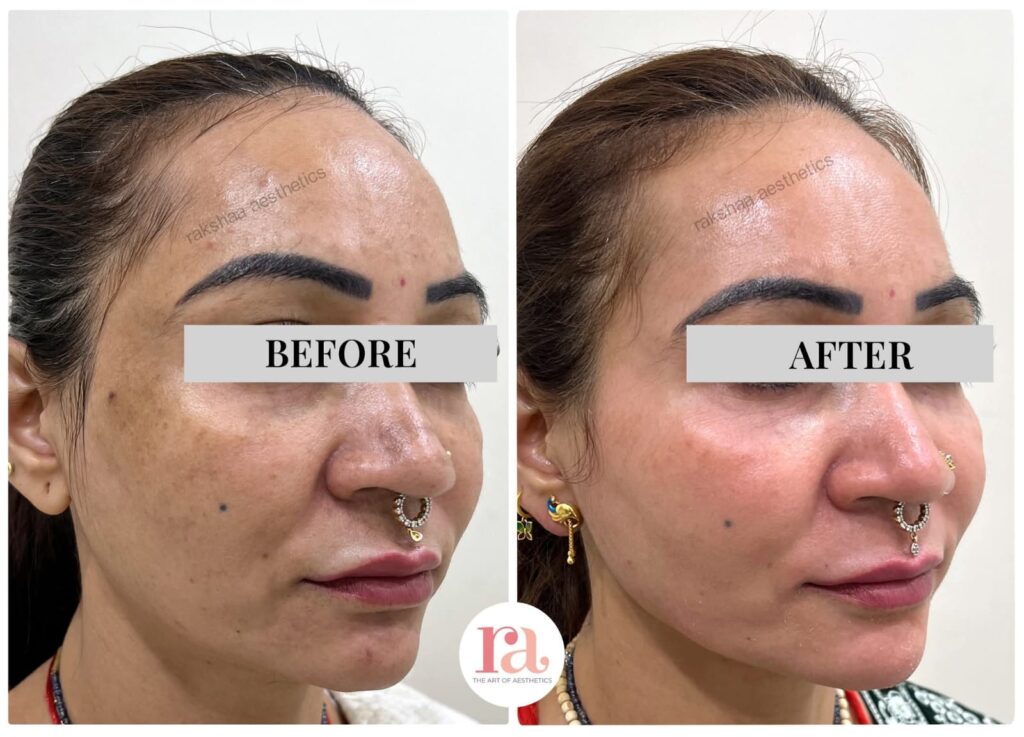
Dark spots, uneven tone, melasma pigmentation is one of the most common skin complaints out there. It can be triggered by sun exposure, acne, hormones, inflammation, or an old injury, but a lot of the time it’s an everyday skincare habit that ends up making it worse, not the original cause.
Post-inflammatory hyperpigmentation is a good example, it shows up after acne, irritation, or a burn, and it tends to stick around longer on darker skin tones. The good news is that most of these mistakes are easy to avoid once you know what to look for, and with a consistent routine and the right guidance, pigmentation is very manageable.
Here are 10 habits that tend to make dark spots worse:
1. Skipping Sunscreen
This is the big one. UV exposure ramps up melanin production, which darkens existing spots and can trigger melasma or new pigmentation altogether.
A broad-spectrum SPF 30+ is non-negotiable if you’re dealing with pigmentation. If melasma or dark spots are a recurring issue, look at a tinted sunscreen with iron oxides, it adds protection against visible light, which is a known aggravator for darker skin tones in particular.
Apply it every morning, and reapply if you’re outdoors for a while especially after sweating or swimming.
2. Scrubbing Too Hard
Aggressive physical exfoliation feels productive, but it irritates the skin, and irritated skin produces more melanin. That’s exactly the mechanism behind post-inflammatory pigmentation. Most dermatologists point toward gentler routines for anyone dealing with dark spots swap the harsh scrub for a gentle cleanser, and only exfoliate when it actually suits your skin.
3. Stacking Too Many Actives
It’s tempting to throw retinoids, acids, vitamin C, and brightening agents at pigmentation all at once to speed things up. In practice this usually backfires dryness, redness, burning and irritated skin makes pigmentation more visible, not less.
A simpler routine tends to work better:
- Gentle cleanser
- Moisturiser
- Sunscreen (daytime)
- One pigmentation-targeted active, if it’s actually suited to your skin
What that active should be depends entirely on what’s causing the pigmentation in the first place.
4. Picking or Squeezing Pimples
Acne on its own can leave a mark, but picking at it makes things worse more inflammation, more injury, and a higher chance of post-inflammatory hyperpigmentation once it heals. If acne keeps leaving dark spots behind, don’t just chase the marks get the acne itself under control, and leave breakouts alone in the meantime.
5. Trying DIY Remedies, You Don’t Fully Understand
Lemon juice, baking soda, undiluted vinegar, toothpaste these show up constantly as “natural” fixes for pigmentation. Natural doesn’t mean gentle, though, and these can genuinely damage the skin barrier and trigger inflammation, which sets you back further. If you’re dealing with stubborn dark spots, stick to ingredients with an actual track record for pigmentation, and introduce them slowly.

6. Using Lightening Products Without Checking What’s in Them
Not everything sold as a “pigmentation cream” is safe for long-term use. Some unregulated products the kind you find online or in local markets have turned up containing undisclosed steroids or mercury, both of which cause real damage over time. Steer clear of strong bleaching or steroid creams without a doctor involved. Prescription options can absolutely work, but the concentration, duration, and how they’re used should be based on your actual skin and diagnosis, not guesswork.
7. Expecting Results in a Few Days
Pigmentation doesn’t fade overnight, even once you’ve fixed whatever caused it. The American Academy of Dermatology notes that superficial dark spots can take somewhere around 6–12 months to fade on their own, and deeper pigmentation takes longer still. Consistency beats constantly switching products the formula worth remembering is protection, prevention, the right treatment, and patience.
8. Ignoring What’s Actually Causing It
Not all dark spots come from the same root cause acne, inflammation, sun, hormones, melasma, certain medications, other skin conditions, all of it can play a role. Treating the colour without addressing the cause just means the spots keep coming back. Treat acne-related pigmentation without controlling the acne, and you’ll end up with new marks forming while the old ones are still fading.
9. Jumping Into Peels or Lasers Without a Proper Assessment
Chemical peels, lasers, and IPL can genuinely help with certain types of pigmentation but they’re not a fit for everyone, and doing the wrong procedure can trigger irritation or even more post-inflammatory pigmentation. DermNet has noted that resurfacing treatments can sometimes cause further epidermal injury and shifts in pigment. This risk is especially real for Indian and other deeper skin tones, where post-inflammatory marks tend to linger. Get an assessment before booking any procedure not after.
10. Switching Products Too Often
A new dark spot shows up and it’s tempting to start swapping through serums, creams, peels, whatever’s next. But constant switching makes it impossible to tell what’s actually working, and the repeated irritation from trying new things can undo progress. Give a routine real time to work, unless you’re seeing genuine irritation or your dermatologist tells you otherwise.
Preventing Pigmentation from Getting Worse
Treating existing dark spots matters, but stopping new ones from forming matters just as much. A workable routine looks something like this:
1. Morning
- Gentle cleanser
- Antioxidant or pigmentation treatment (as recommended)
- Moisturiser
- Broad-spectrum SPF 30+
2. Night
- Gentle cleanse
- Dermatologist-recommended pigmentation treatment
- Moisturiser
Beyond the routine itself, hats, shade, and covering up outdoors go a long way sun protection is really the foundation of managing pigmentation, not an afterthought.
One more thing: if a product stings or burns persistently, that’s not a sign it’s “working.” It’s irritation, and irritation is one of the things that makes pigmentation worse. The American Academy of Dermatology recommends gentle, fragrance-free products for melasma and pigmentation specifically for this reason.
When It’s Time to See a Dermatologist
If pigmentation keeps spreading, keeps coming back, or just isn’t responding to a solid basic routine, it’s worth getting it looked at properly. A best dermatologist can figure out whether you’re dealing with melasma, post-inflammatory hyperpigmentation, sun damage, acne marks, or something else and build a plan around that.
At Rakshaa Aesthetics, pigmentation is treated by first identifying the underlying cause, then matching treatment to individual skin type and needs, which might mean prescription skincare, chemical peels, laser treatment, or a combination, depending on what’s going on.
If you’d like a personalised evaluation, consulting the Best Dermatologist in Pitampura, Delhi can help you skip unnecessary products and procedures and land on an approach that’s actually right for your skin.
The Bottom Line
Pigmentation can be stubborn, but the right habits go a long way toward keeping it from getting worse. It comes down to a handful of basics: protect your skin from the sun, avoid unnecessary irritation, leave acne alone, be cautious with DIY remedies, skip unregulated lightening products, and give treatment enough time to actually work.
Pigmentation also isn’t one single thing the right approach depends entirely on what’s causing it and how deep it sits. If your dark spots are persistent or knocking your confidence, professional guidance can help you get to the root of it and find a safe, personalised way forward.
Book a consultation with Rakshaa Aesthetics to talk through your pigmentation concerns and build a plan suited to your skin.