


Brighter skin isn’t about changing your natural tone, it’s about calming uneven pigmentation, repairing dullness, and keeping your complexion healthy. Sun exposure, acne marks, hormonal shifts, pollution, and the wrong skincare routine can all leave skin looking patchy or tired.
The safest approach treats pigmentation as a skin-health issue, not a bleaching project. Skip the harsh unregulated creams and work with a dermatologist who can match treatment to your actual skin type. At Rakshaa Aesthetics, our specialists assess pigmentation, uneven tone, acne marks, and dullness before recommending a plan no guesswork involved.
1. Sunscreen, Every Single Day
UV exposure is the single biggest driver of tanning, pigmentation, and blotchy tone, it triggers melanin production and makes existing dark spots more stubborn.
Wear a broad-spectrum SPF 30+ every morning, indoors or not, covering your face, neck, and ears. If you’re outside, reapply every two hours and after sweating or swimming. Sunglasses, hats, and covered clothing help too especially if you’re already using pigmentation treatments, where sun protection isn’t optional.
2. Keep Skincare Gentle
A strong skin barrier tolerates active ingredients better. Harsh scrubs, aggressive bleaching agents, or over-exfoliating do the opposite, they inflame the skin, and that inflammation can trigger post-inflammatory hyperpigmentation, especially in deeper skin tones.
Stick to a mild cleanser and a moisturiser suited to your skin type. If something causes ongoing burning, redness, or dryness, stop using it, and see a dermatologist if the irritation doesn’t settle.
3. Vitamin C for Uneven Tone
Vitamin C is a well-studied option for brightening and evening out skin tone, and as an antioxidant it also guards against environmental damage. A serum works well layered into a morning routine, under moisturiser and sunscreen.
Not every formula suits every skin type, though concentration and storage matter, and sensitive or acne-prone skin should ease in slowly rather than stacking several new actives at once.
4. Use Pigmentation Ingredients with Care
Niacinamide, azelaic acid, retinoids, and kojic acid are common dermatologist picks for dark spots, but which one actually helps depends on what’s causing the pigmentation, your skin type, and your current routine.
Don’t stack several strong actives without guidance overuse dries out the skin and can make pigmentation harder to manage, not easier. A simple, consistent routine beats a crowded one.
5. Leave Acne Alone
Picking or squeezing breakouts ramps up inflammation and raises the odds of dark marks sticking around sometimes for months after the acne itself has cleared, and picking raises scarring risk too.
If acne is a recurring issue, treating it directly is part of fixing the pigmentation. A dermatologist can tell whether your dark spots trace back to acne, sun damage, hormones, melasma, or something else entirely.
6. Consider Professional Treatment
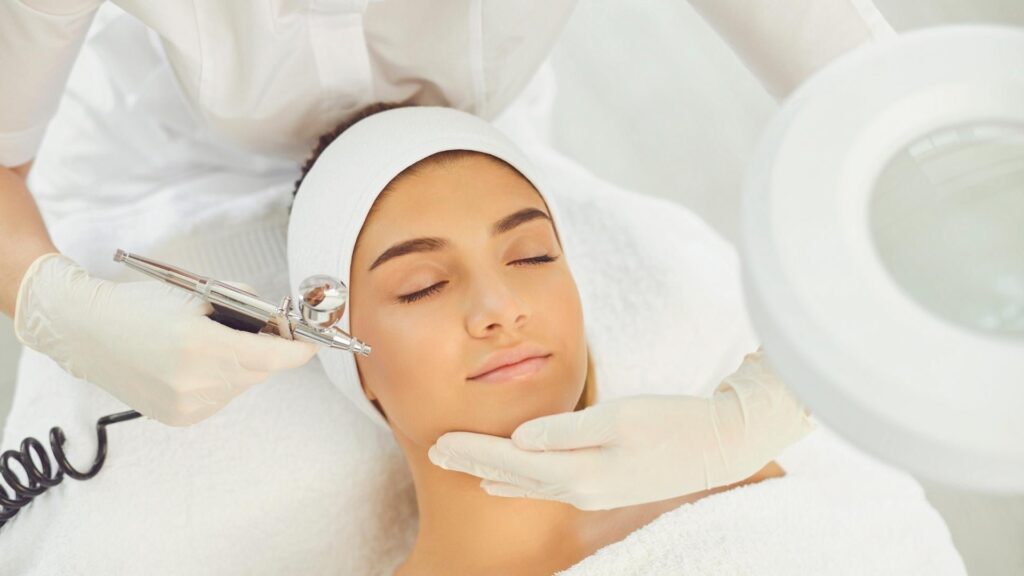
Mild pigmentation often responds to a good skincare routine. More stubborn cases may need chemical peels, laser treatments, medical facials, or similar procedures but the wrong treatment, or too aggressive an approach, can make things worse.
If you’re looking into skin lightening treatment in Pitampura, start with a consultation. At Rakshaa Aesthetics, we build treatment plans around the actual cause of your pigmentation, whether that’s acne marks, tanning, melasma, or something else rather than a one-size-fits-all protocol.
7. Build a Routine You’ll Actually Stick To
Treatments help, but daily habits carry the long-term results:
- Cleanse gently
- Apply your treatment products
- Moisturise
- Wear sunscreen, every day
- Skip unnecessary exfoliation
- Stay hydrated
- Eat well and sleep enough
- Steer clear of unregulated lightening creams
Every skin tone is naturally different the goal is healthier, more even-looking skin, not an unnatural shift in colour.
What to Avoid
Lemon juice, undiluted acids, rough scrubs, and unlabelled bleaching creams cause more harm than good, especially anything with undisclosed ingredients. Some prescription-strength actives need medical supervision don’t self-prescribe. If you notice burning, peeling, swelling, or a sudden pigmentation change after starting a product, stop and get it checked.
When to See a Dermatologist
Book a consult if your pigmentation:
- Shows up suddenly or keeps spreading
- Isn’t budging with basic skincare
- Keeps coming back
- Follows acne or inflammation
- Shows up on the cheeks, forehead, upper lip, or jawline
- Started after a new product
- Is affecting how you feel day to day
Safe Skin Lightening at Rakshaa Aesthetics
If you’re looking for skin lightening treatment in Pitampura, Rakshaa Aesthetics offers proper skin assessment and personalised care for pigmentation, tanning, uneven tone, acne marks, and dullness built around medical guidance, not aggressive shortcuts.
Real, lasting improvement comes from daily sunscreen, a gentle routine, the right actives, acne control, and expert input when you need it. Book a consultation with Rakshaa Aesthetics to get a clear read on what’s causing your pigmentation and a plan that actually fits your skin.