

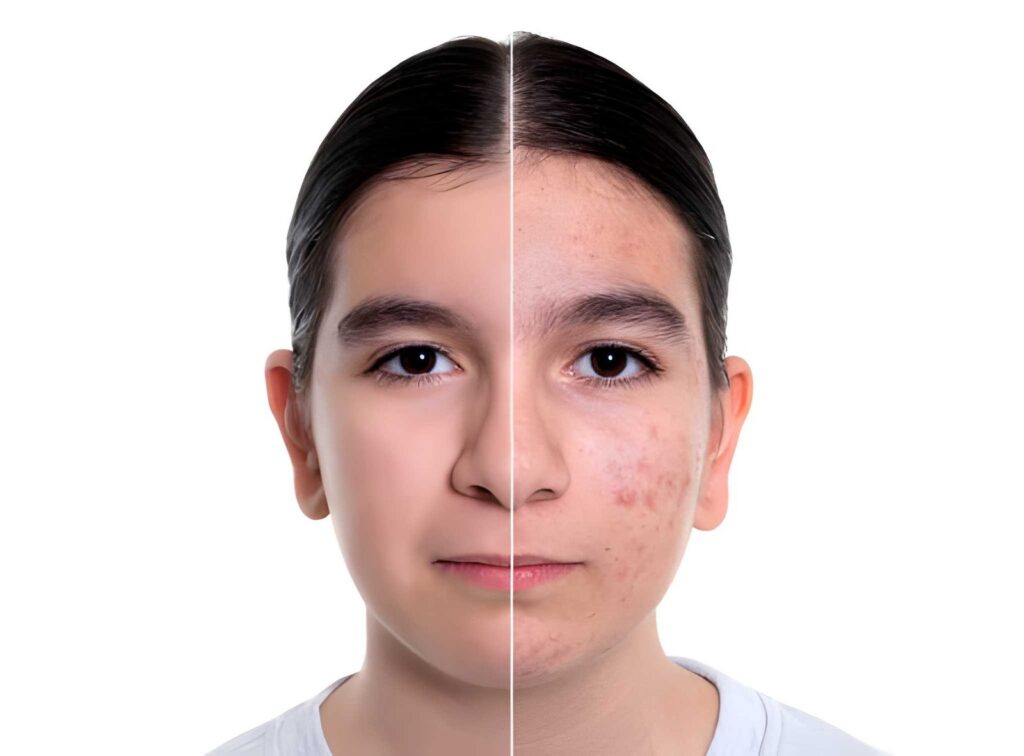
If you’ve ever had a bad breakout, you know the pimple isn’t always the worst part; it’s what’s left behind after it clears up. Most people just call it “acne scarring,” but there’s actually a big difference between a mark and a scar, and mixing the two up is the number one reason people end up frustrated with products that never seem to work.
Here’s the simple version: marks fade on their own. Scars don’t. That one fact changes everything about how you should treat them.
At Rakshaa Aesthetics, we see this mix-up all the time: someone spends months on brightening serums for something that’s actually a textural scar, or worse, they assume a dark spot is permanent and give up on it too soon. Getting the right diagnosis first saves a lot of time, money, and disappointment.
Acne Marks: The Ones That Fade
Acne marks are what’s left right after a pimple heals flat spots of discoloration where the inflammation was. Depending on your skin tone, they usually show up as:
- Brown or tan patches (more common on medium to deeper skin tones)
- Red or pink patches (more common on fairer skin)
They’re flat. Run your finger over one and you won’t feel a dent or a bump, just a color change. That’s because the damage is happening near the surface the inflammation triggers extra pigment production, or leaves behind small blood vessels that show through the skin.
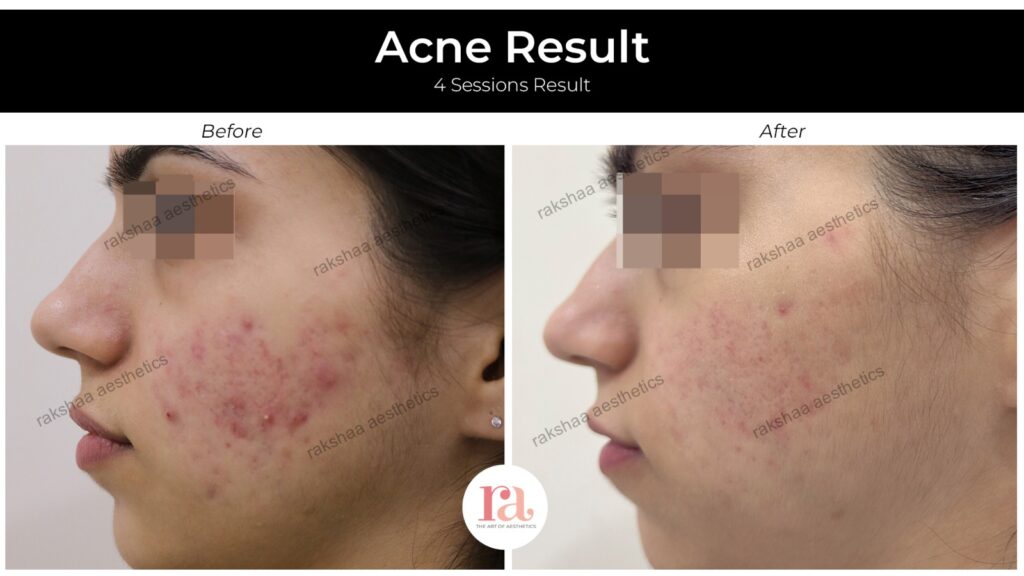
The good part: these marks aren’t permanent. Left alone, most fade within a few months to about a year. With the right acne treatment, that timeline shrinks considerably.
Acne Scars: The Ones That Stick Around
Scars are a different story. These form when severe or cystic acne damages the deeper layer of skin the dermis and disrupts collagen production. Once that structural damage is done, it doesn’t just fade on its own the way a mark does.
There are a few types you’ll commonly hear about:
- Ice pick scars: small, narrow, deep pits
- Boxcar scars: wider depressions with defined edges
- Rolling scars: shallow dips that give the skin a wave-like texture
- Hypertrophic or keloid scars: raised, thickened tissue
Because the damage sits below the surface, scars generally need in-clinic procedures; creams alone won’t reach deep enough to make a real difference.
Quick Comparison
| Acne Marks | Acne Scars | |
| Texture | Flat | Pitted, raised, or uneven |
| Color | Brown, red, or pink | Usually skin-toned |
| Fades on its own? | Yes, over time | No |
| What’s damaged | Surface pigment/vessels | Deeper skin structure |
| Typical treatment | Topicals, peels | Lasers, microneedling, fillers |
How Each One Is Actually Treated
For marks, the goal is calming pigment and inflammation:
- Brightening ingredients like vitamin C, niacinamide, or retinoids
- Chemical peels to speed up cell turnover
- Daily sunscreen, since UV exposure makes marks darker and slower to fade
- Light-based treatments for stubborn redness
For scars, the goal is rebuilding what’s been lost beneath the skin:
- Microneedling, sometimes combined with radiofrequency
- Fractional laser resurfacing
- Dermal fillers to lift depressed areas
- Subcision, to release scar tissue that’s pulling the skin down
- CROSS technique for deep ice pick scars
Why It’s Worth Getting a Proper Diagnosis
Marks and scars can look deceptively similar, especially in photos or under makeup, but they don’t respond to the same treatments. Put a brightening cream on a boxcar scar and you’ll be disappointed there’s no pigment problem to fix, just a texture one. That’s why an in-person assessment matters more than guessing based on what you read online.
At Rakshaa Aesthetics, our dermatologists look at your skin tone, the type of marks or scarring you have, and how your skin has healed in the past before recommending anything. Most people see real improvement with a combination of clinic treatments and a consistent home routine it just needs to be the right combination.
Ready to Deal with It Properly?
If dark spots or textured scarring have been bothering you longer than they should, it’s worth getting an actual diagnosis instead of guessing. Book a consultation with our team and we’ll map out a plan that actually fits what your skin needs.